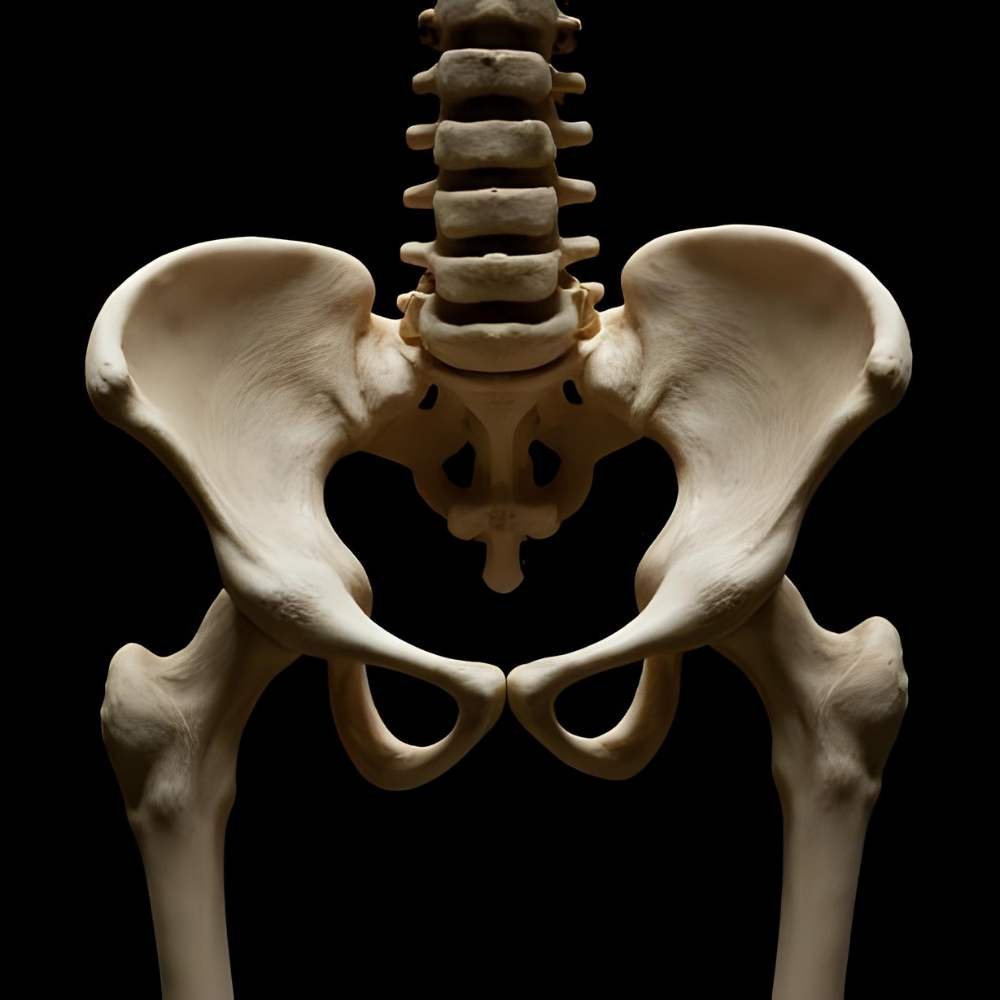

Building strong pelvic floor muscles is not a task reserved for athletes or rehabilitation specialists—it is a practical step toward better posture, improved stability and greater comfort during daily activities. Many people begin exercises with enthusiasm, only to discover later that their technique was imprecise or that they unintentionally created unwanted tension in neighboring muscles. Understanding what the pelvic floor truly does is the foundation for effective training. These deep muscles support the bladder, bowel and reproductive organs, work with the diaphragm and form a crucial part of the body’s core. Strengthening them requires precision rather than force.
Learning to Locate the Pelvic Floor Before Attempting Exercises
Before introducing structured routines, it is essential to feel where the pelvic floor is and how it responds to movement. A helpful starting point involves observing how the body behaves during daily tasks—lifting a bag, coughing, sitting up from a chair. The pelvic floor subtly engages in each of these actions.
To identify this area more clearly, many therapists recommend visual cues. One such cue is imagining drawing the muscles inwards and upwards, similar to gently stopping the flow of urine (although it should never be practiced during urination). Another method is to lie down with knees bent, place a hand on the lower abdomen and notice whether the muscles activate lightly without the belly tightening. Locating the pelvic floor is a learning process, and beginners often need a few days of mindful practice before progressing.
Correct Breathing Techniques as the Core of Safe Pelvic Training
Breathwork is frequently underestimated, yet breathing incorrectly is one of the most common causes of ineffective pelvic exercises. Holding the breath or pushing downward increases internal pressure, which may counteract the intended strengthening effect.
A proper technique aligns a gentle inhale with relaxation and a steady exhale with contraction. This natural rhythm reduces unnecessary tension and supports the diaphragm–pelvic floor connection. In our experience working with educational spaces and promoting healthy movement routines, introducing breath awareness to children and adults yields noticeable improvements in posture and body control.
Teachers and caregivers can reinforce this by incorporating simple breathing exercises into warm-up activities, helping students create lifelong habits that benefit overall well-being.
Starting With Foundational Movements Before Advancing to Complex Exercises
Beginners often rush into ambitious routines, assuming that more repetitions equal faster results. Instead, gradual progression ensures better muscle coordination and reduces the risk of strain.
Below is an example of a progressive sequence used frequently in therapeutic settings:
1. Gentle contractions in a lying position
- Lie comfortably on your back.
- Inhale, relax.
- Exhale, activate the pelvic floor for 3–4 seconds.
- Rest and repeat.
2. Seated contractions
Once coordination improves, practicing while sitting trains the muscles under mild pressure.
3. Standing contractions
This stage introduces real-life functional movement, preparing the body for walking, carrying and everyday tasks.
4. Dynamic activation during motion
Eventually, exercises can be incorporated into squats, light balance tasks or stretching sequences.
Performing fewer repetitions with excellent technique is far more effective than performing many with poor form. Schools and childcare facilities teach children this same principle in early motor-skill development—quality precedes quantity.
Avoiding Common Mistakes That Can Slow Progress
Many individuals unknowingly recruit the wrong muscles. Instead of isolating the pelvic floor, they squeeze the glutes, tighten the thighs or brace the abdomen. This pattern may feel productive but fails to target the intended area.
Another frequent mistake is maintaining constant tension. The pelvic floor functions like any muscle group—it requires cycles of activation and relaxation. When held too tightly for too long, it becomes fatigued and may cause discomfort.
It is also important to avoid comparing progress to others. Every person’s anatomy, history and physical condition are different. Setting realistic expectations reduces frustration and builds consistency, which is the true engine behind effective strengthening.
How Daily Environment and Movement Habits Influence Pelvic Floor Health
Children spend a large portion of their day in educational environments, which means furniture and activity design affect posture and muscle engagement. Chairs that are too large, backpacks overloaded with supplies or long periods of sitting may influence how the pelvic floor responds.
In such settings we recommend:
- alternating between sitting, standing and floor-based activities,
- incorporating short movement breaks,
- offering ergonomic seating whenever possible,
- encouraging natural squatting and stretching during playtime.
These supportive habits teach body awareness from early years, creating long-term benefits that carry into adulthood.
When and How to Enhance Training With Additional Tools
As individuals become more advanced or seek more structured support, they may turn to accessories designed for pelvic floor training. Such tools guide accuracy, increase control and provide feedback that can be especially valuable for those who practice at home.
During consultations with adults—particularly parents and teachers—questions often arise about where to find reliable equipment. A wide range of helpful products can be explored through specialized suppliers such as this curated pelvic health store available here, offering discreet and user-friendly solutions for building strength and confidence.
Monitoring Progress and Adjusting the Routine Thoughtfully
Tracking improvement does not require elaborate systems. Many people simply observe everyday changes: reduced discomfort, better posture during work, improved control when lifting objects or enhanced stability during exercise.
Some note increased awareness of how the pelvic floor responds to stress or physical effort. If any exercise causes pain or pressure that feels unusual, adjusting technique or seeking guidance from a specialist is a wise step.
Consistency is key—short sessions performed regularly lead to significant results over time. Encouraging this philosophy in students, parents and educators cultivates a proactive approach to health, both inside and outside the school environment.
Creating a Supportive Mindset for Beginners
Starting pelvic floor exercises can feel abstract at first, but the learning curve becomes smoother when approached with patience and curiosity. Clear instruction, calm breathing, gradual progression and attention to posture lay the groundwork for success.
By embracing these principles, individuals protect their bodies, reduce the chance of errors and learn a skill that supports comfort across many years of life.